


DeepSTEMI: a step forward in automated cardiovascular risk prediction
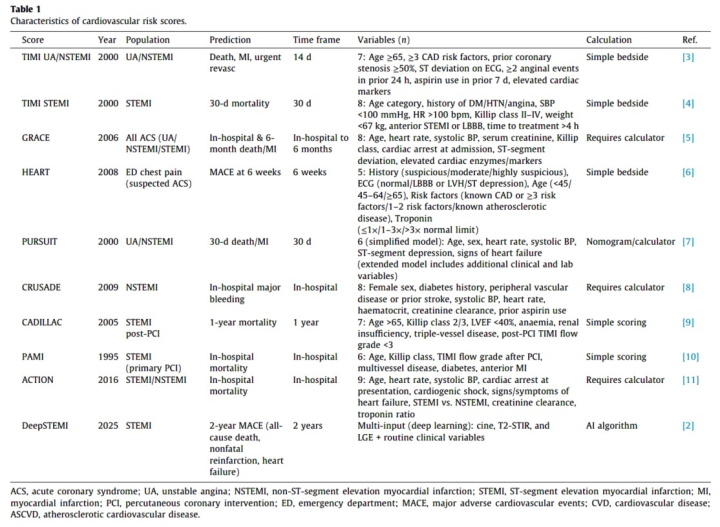
ST-elevation myocardial infarction (STEMI) remains a formidable clinical challenge despite remarkable advances in reperfusion therapy. While contemporary primary percutaneous coronary intervention has dramatically improved acute survival,a substantial proportion of STEMI patients still experience major adverse cardiovasculare vents (MACE) after the index infarction. The persistent challenge lies not in acute management but in accurately stratifying long-term risk to guide precision therapies. In their recent work published in Science Bulletin,Chen et al. present DeepSTEMI, a novel end-to-end deep learning model that combines multi-sequence cardiac magnetic resonance (CMR) imaging with clinical parameters to provide individualised and interpretable prediction of 2-year MACE in STEMI patients. This work represents an important step towards automated, scalable risk stratification,but it remains an early proof of concept that needs validation in larger,more diverse cohorts and prospective studies.
Read full article (Science Bulletin 71 (2026) 4066–4068) here!